ASK Musings

No matter where you go, there you are.

Monthly Archive: January 2026

Wednesday

14

January 2026

0

COMMENTS

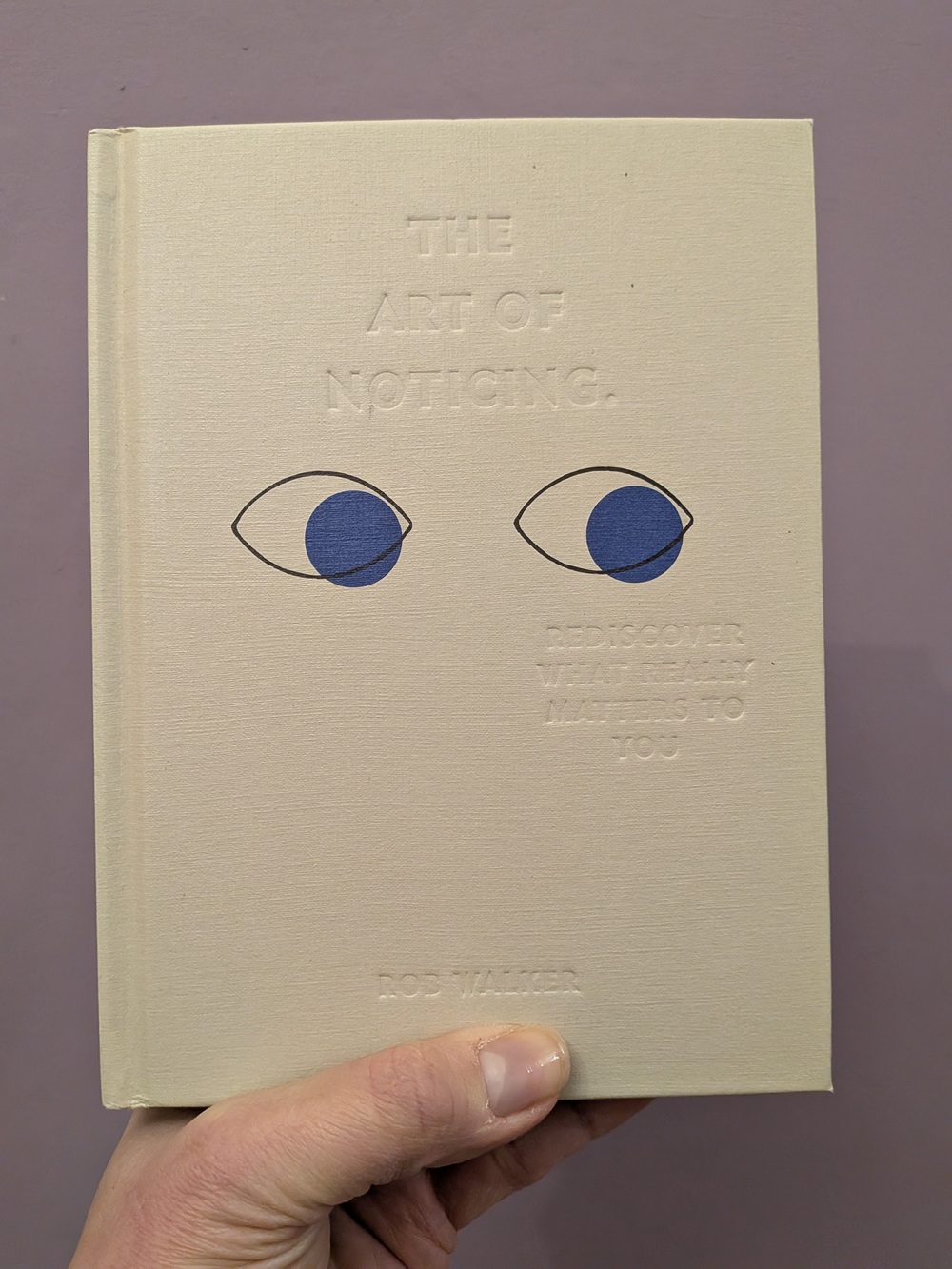
The Art of Noticing by Rob Walker

Written by , Posted in Reviews

Rating:
3.5 Stars

In a nutshell:
A series of very short suggestions for ways to reconnect with one’s self and the world.

Best for:
Those of us who may find ourselves easily distracted and/or hoping to focus more on what is important in our lives.

Quote that made me think:
“What, among everything you encounter, could be made better somehow?”

Why I chose it:
I spend so much time on my phone, multi-tasking, and sort of floating through life, and I was hoping this would give me some ideas of how to be more intentional with my time and attention.

Review:
This book was not quite what I expected, which is my own fault, as I didn’t spend enough time looking through it when I bought it. Instead of containing traditional chapters, it has five sections, each containing suggested projects along a theme. Each project is rated on a scale of 1-4, with one being very easy to do and four being challenging / very involved.

The areas of focus are ‘looking,’ ‘sensing,’ ‘going places,’ ‘connecting with others,’ and ‘being alone.’

The book feels a bit more like a collection of bits of performance art, and indeed the author very openly borrows many of the suggested practices from performance and other types of artists. Which isn’t quite what I was expecting, but it was still interesting to contemplate nonetheless. Example projects are as basic as ‘notice something new every day’ and as complex as ‘exhaust a place.’

There are definitely some projects in here that I plan to pursue, but it will require some intentionality. Unlike, say, a ‘do this each day’ type of book, where each day you’re assigned a new task, this book is just a catalog of ideas, and its up to me to actually pick one and go with it. For me, the easiest ones would probably be in the ‘looking’ and ‘being alone’ sections, which probably means I should start with the other sections.

Would I recommend it to its target audience:
Yes, with the understanding that some of the suggestions will likely be a bit much.

Sunday

11

January 2026

0

COMMENTS

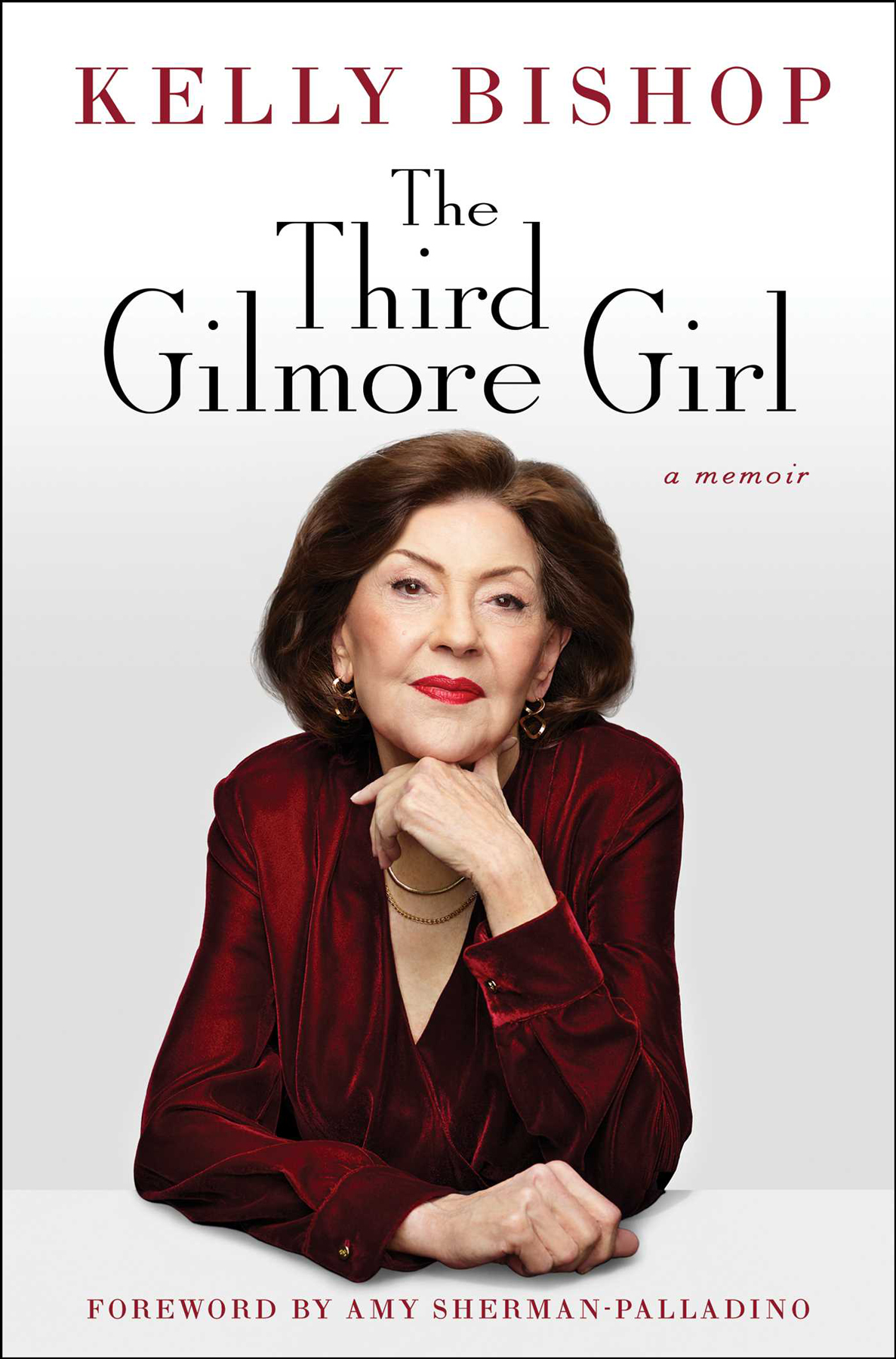
The Third Gilmore Girl by Kelly Bishop

Written by , Posted in Reviews

Rating:
3.5 Stars

In a nutshell:
Actress and dancer Kelly Bishop tells the story of her life.

Best for:
Fans not just of Gilmore Girls, but fans of theatre, and those who just appreciate a clever woman.

Quote that made me think:
“Aren’t we lucky that there’s such a wide variety of dreams to choose from, and so many people who choose them.”

Why I chose it:
I watched Gilmore Girls on streaming and found the characters interesting. Thought this might be an interesting read.

Review:
This is a good memoir, at least by my measure, which is this: did I learn something new about the author’s life (yes) and did it feel like they were as honest as reasonable (yes). I came away thinking that Bishop is the rare person who is not brutally honest – they are just honest. There’s only apologizing when it is warranted, but there isn’t the cruelty that so often comes with it. Basically, I get the sense that Bishop is who the average ‘I just tell it like it is’ person THINKS they are, when in reality the vast majority of them are just assholes. And she does not strike me as an asshole.

She has also lived a FASCINATING life. I’m not going to get into it all here (that’s the point of the book, right?), but she was part of the workshop that resulted A Chorus Line, and one of the characters is basically based on her life. And she won a Tony award for it (coincidentally, she won the same night as future TV husband Edward Hermann). And who could forget that she was Baby’s mom in Dirty Dancing? And of course, the role that millennials likely know her from – Emily on Gilmore Girls.

Some things that really stood out to me where her love of animals, and her very clear desire to NOT have children. It’s one of the first things that comes up in the book (a musing she had as a child herself), and she sticks to it throughout her life. She shares in the book that she had an abortion when she had an unexpected pregnancy, and she doesn’t apologize for it or make excuses, because she doesn’t need to. She just shares why it was the right choice for her.

Her personal life had rough aspects to it – a horrible father, and a not-great first husband. But her second husband was clearly her great love, and she speaks of him (and his experience with cancer and ultimately his death) with an almost poetry.

The section on Gilmore Girls is not as long or detailed as I would have expected given the title of the book, but it makes sense if you think about how long a life she has lived. It is interested, for sure, but I probably would have enjoyed more.

The quote I chose to pull out I loved because I think it’s a great thing not just for aspiring dancers, or actors, or artists in general. None of us need to live the same lives, and that’s a good thing. We can dream of having children, and dream of not having children. We can dream of dancing in the West End or of teaching five year olds how to read. We can dream of being surgeons, or of partners, or of singletons traveling the world. Bishop dreamed first of ballet, then of acting, and she managed to turn those dreams into reality.

Would I recommend it to its target audience:
Yes, though if all you are looking for is hot Gilmore Girls gossip, you will be disappointed, as she spends maybe 15% (at most) of the book on that. Which makes sense, as it only ran for 7+1 seasons, and Ms Bishop has lived a long life.

Monday

5

January 2026

0

COMMENTS

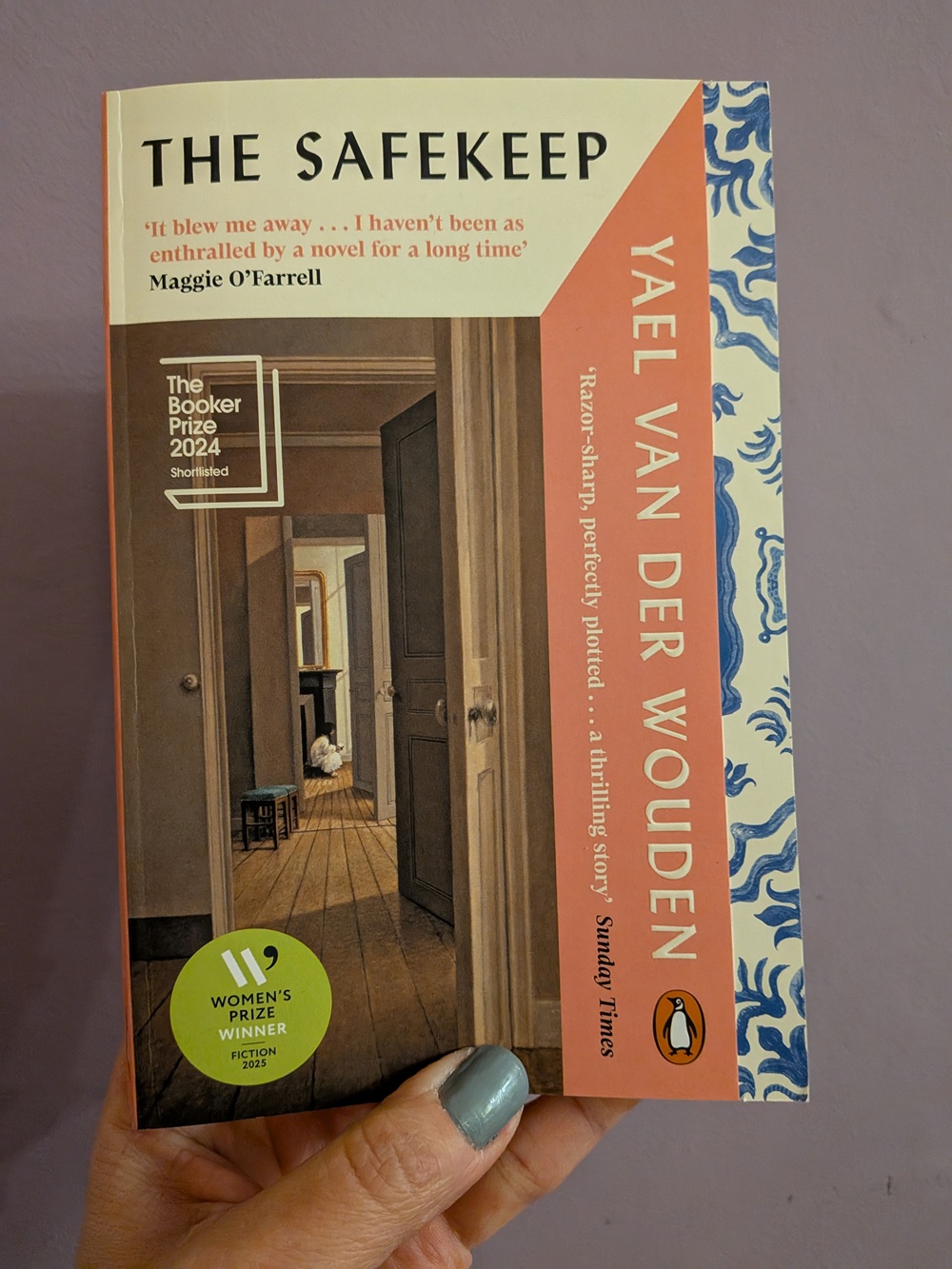
The Safekeep by Yael Van Der Wouden

Written by , Posted in Reviews

Rating:
4 Stars

Lots of spoilers below (though I don’t spoil the unexpected plot point in part three).

In a nutshell:
Isabel is forced to share her home with her brother’s girlfriend Eva, and Isabel is not one to share. But events transpire, and plots twist, and lives change.

Best for:
People who appreciate good writing and storytelling and who aren’t deterred by very descriptive sex scenes.

Quote that made me think:
“Isn’t that strange, how that works? You can think something that used to be true but isn’t true anymore but still believe it in your bones.”

Why I chose it:
My partner and I only exchange books for Christmas, and this was one he picked out for me.

Review:
This book is broken down into three parts. The first part is a lot of build up and setting the scene. We learn about Isabel – this is all from her perspective. We learn she and her family left Amsterdam during the war and relocated to this home – Isabel, her mother, and her two brothers. Her mother has died, and her Uncle has left it to her brother Louis, but Louis is letting Isabel live there until he decides to settle down,.

Isabel is unyielding. She is controlling, and severe. She reluctantly goes on dates with a neighbor occasionally, but she has no friends to speak of, is harsh to the maid who keeps up the house, and is judgmental of everyone. Then Louise needs to go away for a month, and asks Isabel to host Eva. Eva appears to be everything Isabel is not – bit whimsical, kind, extroverted. Of course things are going to clash.

But the end of the first part / start of the second part, readers can see where this is going. Spoilers kick in here …

Eva and Isabel find themselves attracted to each other. It’s intriguing and well written (though not surprising at all). There is also quite a lot of sex in this part, and I’ve never been a fan of reading sex scenes. I understand why the author includes them, and I’m not sure how the book could exist with even watered down versions of these sections – it teaches us a lot about who these women both are. But that doesn’t change the fact that I really had to force myself to keep reading, as I wanted to see what would happen next. And to be clear in case it isn’t – I don’t like reading sex scenes between or among any variation of genders. I’m sure I could talk through it in therapy or something but eh, usually it’s not an issue in books I choose for myself.

The thing is I am so glad I kept reading, because part three is extraordinary. I didn’t see it coming, it was so well written, and I just was stunned by it. Without spoiling this part, I will just say that it was such an interesting exploration of trauma, and responsibility, and what we owe to others once we have all of the information.

Would I recommend it to its target audience:
Yes, if you don’t mind a lot of spicy bits in the middle.

Monday

5

January 2026

0

COMMENTS

Entry Island by Peter May

Written by , Posted in Reviews

Rating:
3 Stars

In a nutshell:
Montreal Inspector Sime (pronounced Sheem) Mackenzie has been tasked with leading a team to investigate a murder that has taken place on a tiny English-speaking island in the heart of French-speaking Canada.

Best for:
Those who enjoy stories that have elements set in current day as well as the distant past (in this case, about 200 years ago).

Worth quoting:
Nothing stuck out to me.

Why I chose it:
So I finally bought a book by Peter May – a famous Scottish crime novelist. And then I realised it was the 4th book in a trilogy (I know – hence why I didn’t know it was part of the series) that I hadn’t yet started. So I immediately put that down, and found this (standalone) audio book at my library.

Review:
When I started reading this book, I didn’t know it took place in two areas: Entry Island and its environs, and Lewis island, the outer Hebrides. I should have known May would work Lewis into the plot, as he is famously from there and writes about there, but I didn’t, so when that kicked off the book, I was confused. It eventually makes sense, but it took awhile for me to get up to speed.

There are two stories here. One is of Sime, who is a bilingual Inspector sent to look into a murder that took place in a tiny island of only English speakers. That part of the story is fairly standard crime fare – who did it, is it who we think, is there a twist, etc. The character of Sime is tortured, again, as we often see. His marriage has fallen apart but he still must work with his wife, he isn’t sleeping, and he’s not doing the best job of investigating this murder (did the wife do it?), partly because he gets a bit sidetracked thinking he has some connection to the wife of the victim.

The second story is the one I found much more interesting – the story of another Sime, who lives on a croft in the island of Lewis in the mid-1800s. His family deals with so much horror, including the potato famine (which I didn’t know had also affected Scotland) and the Highland Clearances, which are a nightmare that I don’t think people in the US are taught much about. We follow Sime as he eventually makes his way to Canada, and again, I didn’t realise so many Canadians would trace their ancestors to Scotland, and then … Nova Scotia. New Scotland. Wooooof.

The main story is fine, standard crime novel fare, but the story set in the 1800s was riveting, and was what saved the book for me.

Would I recommend it to its target audience:
For the target who enjoys historical fiction, yes. For the target who enjoys a modern-day crime mystery, not so much.

Friday

2

January 2026

0

COMMENTS

The Red Market by Scott Carney

Written by , Posted in Reviews

Rating:
2.5 Stars – a solid ‘fine.’

In a nutshell:
Investigative journalist Scott Carney explores the various ways humans sell bodies and body parts.

Best for:
Those interested in the ethics of these issues and who aren’t squeamish.

Lines(s) that stuck with me:
N/A

Why I chose it:
The audio book selection from my local library is ROUGH. Virtually none of the books on my TBR list are available, so I started scrolling non fiction and this seemed interesting. Also … medical things fascinate me, as does ethics.

Review:
How can you ethically procure a non-renewable resource? Or a resource that requires someone to literally give of their own flesh? And what about when that resource is needed to save a life? What if that resource isn’t actually needed, but people really want it?

Carney’s book explores a variety of scenarios where human anatomy is procured in ways that may be unethical, questioning both the black (or ‘red’) market approach as well as the legal routes for securing these resources. He looks at getting bodies and bones for anatomy studies, blood for surgery, eggs for surrogacy, kidneys for transplant, volunteer for drug trials, and even babies for adoption.

One critique that I think holds for this book is that in nearly every example (save, if I recall correctly, blood donation, which I’ll get to below), Carney really only explores the red markets of other countries, usually India, though sometimes China as well. For example, he (rightfully, I believe) explores the unethical nature of so many international adoptions, including situations where parents didn’t actually think they were relinquishing their children – and where US adoptive parents refuse to return those children. But he doesn’t explore the ethics of US domestic adoption. In fact, I think there is a real missed opportunity here to explore the actions of those who provide something that no one actually needs – a baby. This also goes for the section on egg harvesting and surrogacy.

Most of what else Carney explores one could argue is a necessity – blood for a surgery, or a kidney to stop needing dialysis, or, at a higher level, stem cells for research purposes. And the question becomes: if someone needs it, is it right that another person should be prevented from providing it if they are remunerated? And what is the cost of that to the seller/donor, and to society? How much is your kidney worth, and if you are possibly not able to feed your children, how low a price might someone offer?

I found the chapter on blood donation especially fascinating. A little over a decade ago I served on the junior board of the non-profit who manages blood collection (not the American Red Cross) in the city I used to live in. I also used to donate blood regularly (the UK makes you wait much longer between donations, so I can’t donate as regularly here) and platelets on occasion. I was shocked (not that shocked) to learn that in the 60s, corporations managed and paid for blood donations and then sold the blood to hospitals. When non-profits got involved, these corporations actually filed claims of an anti-trust nature, saying these non-profits seeking volunteers were preventing them from making profits, and for awhile US government agreed, fining these non-profits daily. Fucking WILD. Also, there was a whole thing where prisoners in Alabama were ‘donating’ blood, and that blood wasn’t screened, and was sold to Canada, leading to a lot of issues.

Carney argues that one of the best things we could do is require that all human body parts and resources have a name associated with their donation. Every pint of blood, every organ donation, every body. While some argue that privacy is the ethical choice, Carney argues that having a name will reduce the likelihood that someone is coerced to give their flesh and bone. While it wasn’t providing my name, as a blood donor they trialed a project where I would get a text when the blood I was donated was used, which was pretty cool, and probably an incentive for others to keep donating when they had the chance.

There’s much more in the book – the above are just the areas that really stood out to me. And as I said, there seems to be a real issue around the countries that Carney chose to focus on – India and China cannot be the only places participating in unethical human organ / blood / tissue procurement, and it feels weird that (as best as I can recall) Carney doesn’t really even pay lip service to the issues taking place in any of the other 200+ countries in the world.

Would I recommend it to its target audience:
Sure, but probably as an audio book as you could get the washing done at the same time., and with the caveat that there might be some bias in what the author has chosen to highlight.

Thursday

1

January 2026

0

COMMENTS

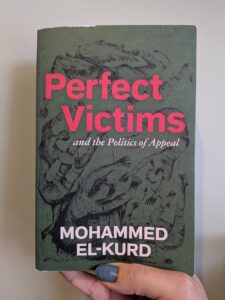
Perfect Victims by Mohammed El-Kurd

Written by , Posted in Reviews

Rating:
5 Stars

In a nutshell:
Palestinian poet and journalist El-Kurd shares his perspective on life in Palestine under colonial occupation.

Best for:
Anyone who cares about justice, freedom, and morality.

Worth quoting:
I underlined so much of this book, I’d basically be reproducing it here. But some passages that really stuck with me are:

“The standard, across industries, is to dehumanize the Palestinian.”

“We must not wait for Haaretz or the New York Times to arrive at the miraculous epiphanies we have long called common truths. We should purge their prestige in our minds, the prestige that renders a Times acknowledgment of an eyewitness account more valuable than the account itself.”

“Submission to the colonial logic that vilifies the violence of the oppressed and turns a blind eye to the oppressor’s violence became the price of admission.”

Why I chose it:
I wanted to learn more about the Palestinian experience.

Review:
Starting 2026 with a book that will stay with me for years It challenged me, forced me to confront my biases, and I’m still wondering about parts that I at least initially felt were ‘too much.’ Do I disagree because of my values, or because of what people I (used to) respect have said? Can I agree with most but still hold space for the places I think may go too far?

I began reading this book while on holiday in Greece, and as I looked out over the Mediterranean Sea, I kept thinking that the same body of water could carry me over to Gaza. I hope this book is read in the future as a way to learn about how things used to be, perhaps by people who can’t imagine that there was ever a time where the Palestinian people had to live under occupation, apartheid, and genocide.

Author El-Kurd was only in his mid-20s when he wrote this book, and I was floored when I learned that, because he speaks with so much heft and wisdom. Obviously people in their 20s can have deeply moving and insightful things to share, but something about everything El-Kurd has experienced and witnessed made me think he was closer to 40. But upon reflection, obviously he is young. In a society where we’ve seen small children carrying the remains of their murdered sibling in a bag, it makes sense that people who are barely old enough to rent a car in the US have been forced to grow up extraordinarily quickly.

El-Kurd does not shy away from the hard conversations; he dives right into the things that Western media and supporters of the occupying force in Palestine say and do in an attempt to divert attention from the horrors the Israeli government has committed and is committing against the Palestinian people. Moreover, he does it with a writing style that would be a joy to read, were the subject not so horrifying.

For example, he takes on things people use to justify the genocide – for example, the use of human shields: “But why accept the premise of the question in the first place? Even if the human shield allegations were true, why submit to a logic that argues it is acceptable to kill those classified as civilians if, hypothetically, ‘terrorists’ hid behind them. If, say, a robber took your mother hostage and hid behind her, would the police officer on the scene be absolved of all responsibility if he decided to kill your mother to neutralize the robber?”

He also looks at the concerns people raise when people speak of a free Palestine (he has a chapter called ‘do you want to throw Israelis into the sea’) claiming it is a call to murder Israelis. Which I suppose is an understandable surface level reaction, because the Israeli government acts as though the only way for the Israeli people to be free is to kill and/or displace all Palestinians. But that isn’t how Palestinians think. El-Kurd sums it up quite well: “Those asking, What happens to the settlers? have not once thought about the fate of the six million Palestinian refugees agonizing in exile … such distracting questions feed the discursive loop that prioritizes the settlers’ theoretical future over our material present that is already marked with extermination.” People spend so much time making assumptions about Palestinians, and in doing so ignore that the very real thing they claim to fear for the occupiers is ALREADY HAPPENING to the Palestinian people.

He repeatedly hammers home the fact that Palestinians should not have to be ‘perfect’ to be seen as human, and that so many of the issues that people raise to justify this genocide (not that genocide could ever be justified) do not and should not matter. Palestinians — including this author — have literally had their homes taken from them by Americans and others. It’s such a horrific thing that has been normalized, and that El-Kurd addresses: “We have seen a nation punished for another nation’s genocide. And we have seen God employed as a real estate agent, bestowing Jerusalem houses to Brooklynites.”

Not that the book should be boiled down to a main point, but if I were to do so, for me, I think it is this: Palestinians do not owe us perfection. The are people, and that should be enough for us to care that they are living under apartheid and genocide now.

Would I recommend it to its target audience:
Absolutely. I think everyone should read this.