ASK Musings

No matter where you go, there you are.

Author Archive

Thursday

9

August 2018

0

COMMENTS

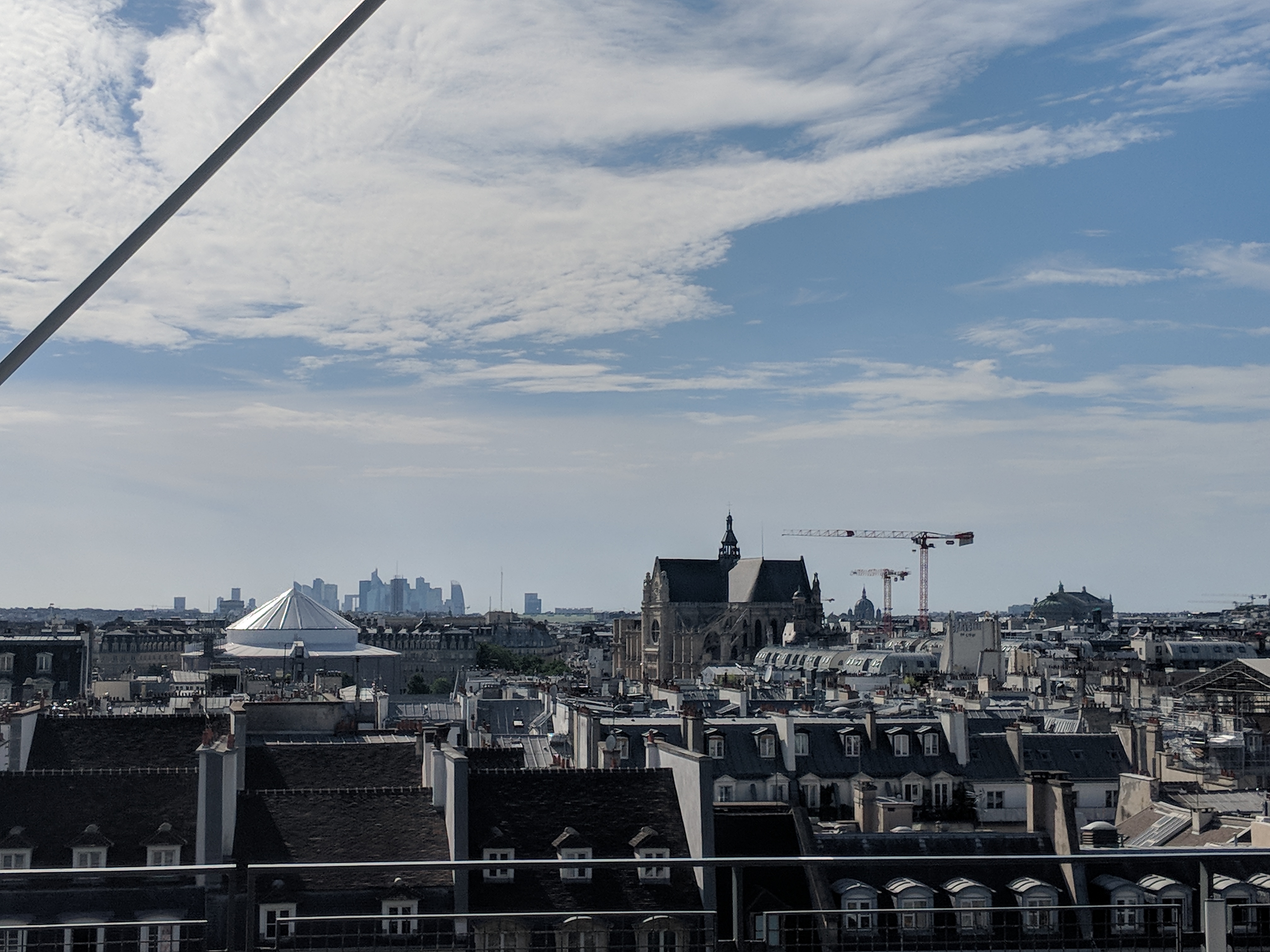
Paris in the Summer

Written by , Posted in Adventures

Another cool thing about living in London is that friends will plan a trip to Europe and we can find a way to meet up with them. That was the case with Paris this summer, when our friends from Seattle visited Paris as part of a trip to France.

Getting there
Train travel is so romantic in my mind. Austin and I once took an overnight train from Paris to Munich, and it was both uncomfortable and amazing. Thanks to the chunnel, we can get from London to Paris in under three hours, and it’s amazing. We start out traveling through neighborhoods of London, which eventually dissolve into the English countryside. Then there’s the darkness of the tunnel (where I try to forget where we actually are), followed by the French countryside, and then finally the buildings of Paris. Gare du Nord is a fine station, and on this trip was on one of the metro lines that got us directly to our hotel.

Accommodation
We wanted to be near our friends, so we picket Hotel Victoria Chatelet (http://www.hotel-victoria-chatelet.com/en/). It was absolutely fine for what we needed — centrally located, with a fan (which was much appreciated during the hot summer), a comfy bed, and breakfast (though we didn’t partake). I don’t know that I’d recommend it, but I wouldn’t tell people to avoid it, either.

Food and Drink
I mean, it’s Paris. Breakfast every day was a pastry, lunch was a sandwich, and dinner was something French and delicious.

Adventures
Our friends recommended we get a museum pass, since it would keep all of us from waiting in lines. I’m so glad they did, because it was delightful to just show up at one of the dozens of included locations, pass through security, and head in. Especially given how hot it has been in Europe, not standing in long lines was priceless. For the most part, we joined our friends on their adventures, but we also explored the city a bit on our own.

We started out visiting the Louvre. We avoided the most crowed parts, but still managed to see Napoleon’s apartments (he also knew how to throw a dinner party) and the French crown jewels.

We spent a morning at the Rodin museum with our friends – the sculptures there are beyond fascinating.

We also explored the Jardin du Luxembourg.

I finally got to explore the Paris sewers — kind of a must-see for any fan of Victor Hugo’s Les Miserables. It smelled down there.

I’d never been to the Pompideu Center, as modern art hasn’t really been my thing, but I’m glad we went. It was funky and interesting and also a million degrees inside the escalator tubes.

We went to Shakespeare & Co. to buy books.

Saw the Orangerie and the Musee D’Orsay.

Wandered around the Latin quarter, visited the Conciergerie and Sainte Chapelle.

As always, I cannot wait to go back.

Wednesday

8

August 2018

0

COMMENTS

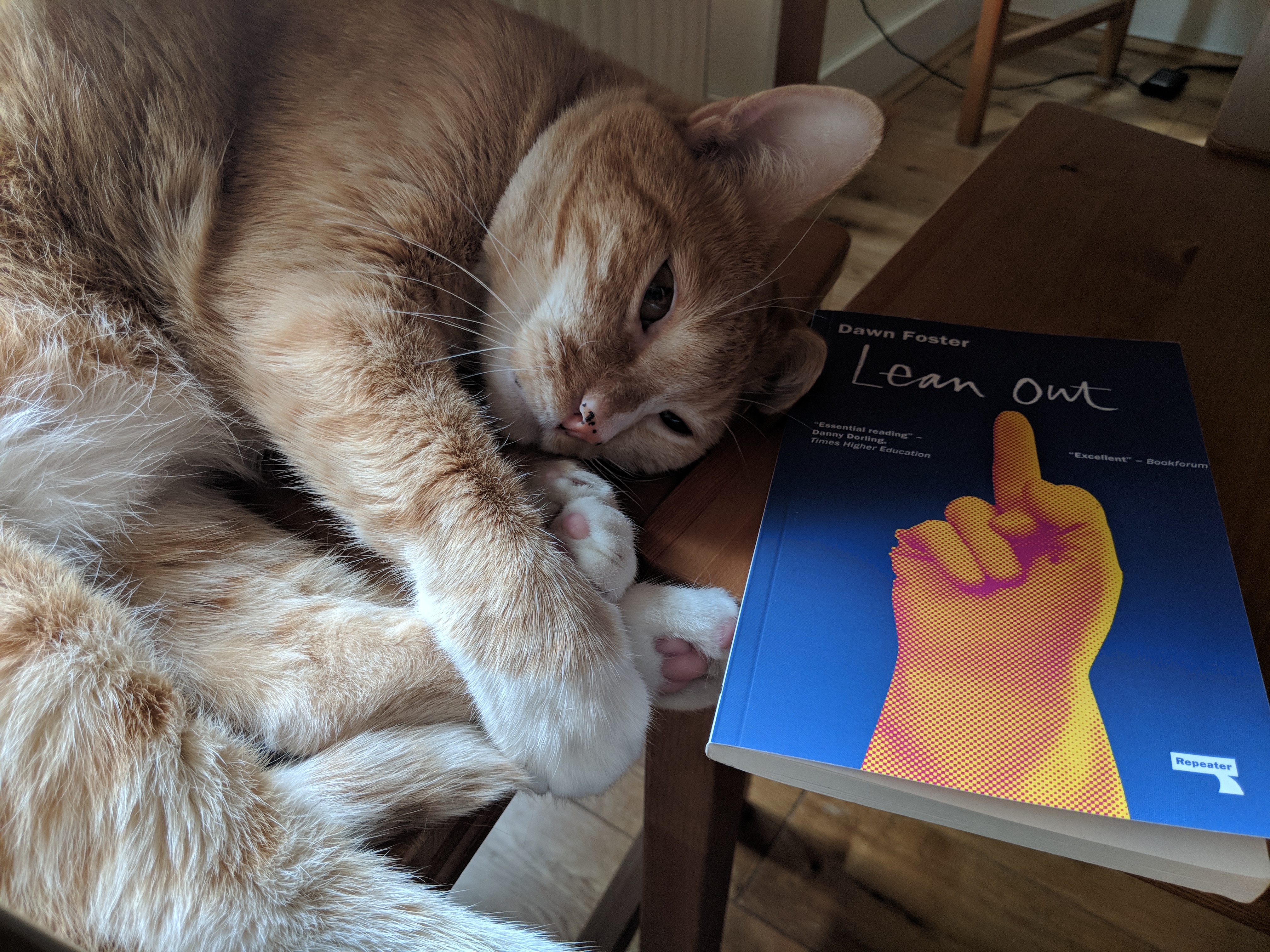
Lean Out by Dawn Foster

Written by , Posted in Reviews

Four Stars

Best for: Folks who claim the feminist title; folks who thought there was something off about Sheryl Sandberg’s “Lean In.”

In a nutshell: Foster picks apart the main themes of Sandberg’s best seller and points out all the ways that it is harmful to feminism; namely, that it doesn’t acknowledge the bigger issues at play, such as patriarchy and capitalism.

Worth quoting:
“A woman may be as ambitious as she wants, but the people hiring and firing have their own preconceptions, in a society that maintains that women are less decisive, logical and driven.”
“Lean In points all the blame inward, and ignores structural inequality.”
“The benefit of having women in the cabinet remains to be seen for migrant, low-paid, or abused women.”

Why I chose it:
I care about women succeeding but was turned off by Sandberg’s premise.

Review:
Dawn Foster packs a lot of useful, depressing, and motivating information into 81 pages. While the overarching premise is a response to Sandberg’s Lean In, the book’s focus is on the failings of corporate and white feminism as a whole. How feminism isn’t about the number of women at the board table (in fact, despite our hopes, women and POC apparently don’t tend to hire people who look like them once they’re in that position); it’s about uprooting and overturning a system that punishes women for being women by denying them access to quality jobs, quality housing, and basic respect for work.

Foster covers a lot of ground across the eight chapters. In the Hiring and Firing chapter, Foster discusses zero-contract jobs and jobs that require heavy emotional labor. Regarding zero-contract jobs (basically, hourly wage jobs where you aren’t ever guaranteed any work), she points out that your livelihood is essentially based not on how well you do your job, but on how well you get along with your manager. And sure, that can be the case in salaried positions, but in those, the feedback and punishment for not doing the emotional labor happens over time – individuals in zero-contract jobs may find themselves with no hours a week after a clash with the manager. She also looks at PR jobs, with are 80% women, even though fewer than 40% of the journalists they interact with are women, and how that, too, is a field dependent on doing a ton of emotional labor, including while off the clock.

The chapter on choice feminism was, I think, the best as a way to introduce to others who claim the feminist title that perhaps there’s more to it than arguing about taking a spouse’s last name upon marriage. Yes, we can manage multiple concerns at once, but she put it in a way I hadn’t thought about when she said:

“Time and attention within life are finite, and “wins” that seem more achievable are more likely to spur the column inches which are then denied to issues that hit the invisible, the poorer, and the more marginalised.”

Honestly, I’ve always been a big proponent of the easy wins. I sign petitions against corporations who have absurd ads. But I hadn’t though about how this anger — which is usually justified — takes away time and space from other, more pressing, less easily digested challenges.

I never read Lean In, and I never will, because I don’t think Sandberg is doing any of us any favors. It’s not up to women to lean into the way things are; it’s up to women to change the things that don’t work for the most marginalized among us.


Wednesday

8

August 2018

0

COMMENTS

Lisbon is Amazing (Ryanair is Not)

Written by , Posted in Adventures

Part of the appeal of moving from Seattle to London is the ability to travel all over Europe fairly easily. Our first attempt to actually do this was thwarted by a snowstorm in March (we promise we’ll get to you some day, Belgium), so we decided that our five-year wedding anniversary would be the moment. We picked Lisbon as the spot, as it was a country that neither of us had been to before, and booked five nights away.

Arriving
Lisbon has something I appreciate whenever I travel: an easy way to use public transportation to get to and from the airport. Upon exiting baggage claim at the Lisbon airport, you’re literally facing the entrance to the subway. Tickets were easy enough to procure, and the one transfer we needed was simple to follow (the train lines are color-coded). It was then just a short walk to our hotel.

After we were settled, we decided to walk around, and realized that we were in town on a religious holiday. Corpus Christi is a Catholic holiday, and in Lisbon they close of streets for a processional, and they also pump the mass audio out into the streets. We were beyond confused at first because we didn’t realize what was happening — we were just hearing choir music all around. A little Googling helped us determine we hadn’t wandered onto a movie set.


Sleeping

Because this was an anniversary trip, we went a bit overboard in hotel selection, picking Hotel Corpo Santo which is currently #2 in Lisbon. It was amazing. It’s a new hotel, and not overdone or absurdly fancy — it’s just a lovely place to be, in an excellent location. The staff were delightful, our room was comfy, the shower had lighting and music displays that you could choose to accompany your time in there), and the windows blocked out all the noise. We were only a couple of floors above the main street, and we could hear nothing. Glorious.

Eating
It might be a questionable choice, but the first place we got food in Lisbon was at a Mexican restaurant called Mez Cais, which was just across from our hotel. I enjoy eating local food, but I also think it’s kind of fun to try food from other countries while traveling, to see if it similar to what I expect of such cuisine in my own neighborhood. This was delightful — the margaritas were excellent.

In fact, throughout our time in Lisbon, we had some very good meals, and some fine ones. On the day we visited the castle (more below), we were hot and exhausted and ended up at an Italian restaurant. Their A/C made it one of the best meals I’d had in awhile.

(Side note: has anyone figured out how to do lunch when traveling? I’m always exhausted from site-seeing, cranky from waiting too long, and overwhelmed by options.)

We sampled from the Confeitaria Nacional, which had some tasty (and some odd) baked goods.

We went to the beer museum where I got green wine and accidentally ordered cod cakes.

But honestly, our best meal was probably our last night, which was at the hotel! I know, hotel restaurants aren’t usually the stuff of memories (well, good memories), but this was great. The food was delightful, the waitstaff were so so nice, and the suggested wine pairings were spot on.


Drinking
On our third night in Lisbon, there was a friendly football match that we wanted to catch. We initially were in a place called the American Bar. We left at the half because folks were smoking inside. And I’m so glad we did, because next door was Crafty Corner Beer. They serve local beers, have one giant bottle of cider if beer isn’t your thing, and a small bites menu that comes from next door. It’s a relaxed environment that we returned to each night because we could grab a drink, settle into a chair or stool, and just read or relax.

We also got drinks at one of the outdoor cafes along the Tagus. It was beyond relaxing to sit at a shaded table on a sunny day, just sipping something cold and reading a good book.

Exploring
June is when the Festivities of Lisbon take place, so there were little pop up markets in many of the city parks. The one across from our hotel featured some traditional Portuguese singing one night – everyone in the area was singing along and having a blast. It was delightful.

There is a ton to do and see in Lisbon — here is a sampling of what we did.

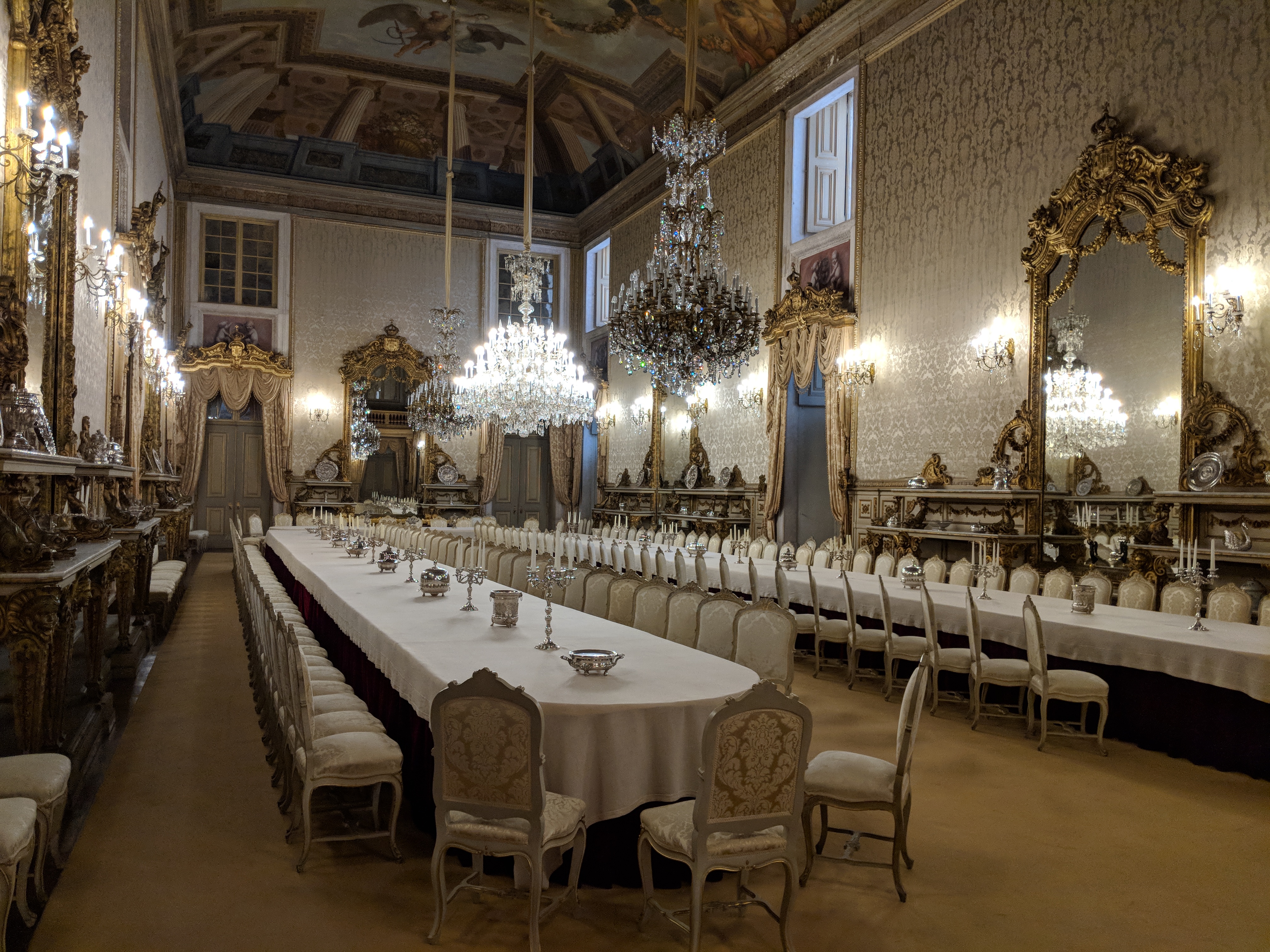
We visited the old palace, which is now open to the public as a museum. They did not fuck around with their dinner parties.

We enjoyed walking around that neighborhood because it wasn’t as tourist-focused as some others, at least not on the walk from the palace to the river. It felt more like just a normal place where people live.

Also, there were peacocks.

So. Many. Peacocks.

By chance an M. C. Escher exhibition was in town, and we stumbled upon it as we were exploring the Alges area.
We also looked at the monastery from the outside, but the line to get in was a bit long.

Instead, we went down to the river and spent a little bit of time puzzling over this giant monument. The focus on exploration as a very Portuguese thing is understandable, but there wasn’t a lot of acknowledgment of the whole colonizer thing…

We walked up to the Castelo de Sao Jorge, which gives you an amazing view of the city.

We walked back down, and saw some shops (include bookshops!)
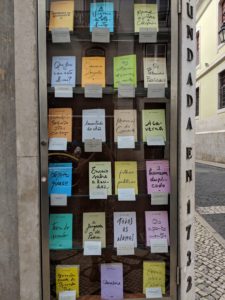
We strolled through back streets and visited church ruins.

We also visited the museum celebrating the works of Jose Saramago, who wrote my favorite book – Blindness. (That’s his Nobel Prize!)

Overall
Lisbon was a lovely place to visit, and I think the five nights we spent there were enough to get a small taste of the full city. We’d like to come back, but this time rent a car and travel out to some of the nearby cities and parks to see more of Portugal beyond the city limits.

Air Travel
Only read this if you have a strong stomach…

We made the rookie mistake of booking Ryanair for our travel. It was the cheapest, and had some good travel times. But we failed to factor in the fact that you have to FLY RYANAIR. Which is really never what anyone wants.

Our flight to Lisbon was slightly delayed, but that was fine. It was the return that was awful. It was pretty toasty in the airport (we were in the ‘budget’ terminal, which includes some chairs, some gates, and a McDonalds), and once we were scanned through to board the plane, there were no screens, so we had no idea what was going on. At one point we were close to our departure time and still smushed into this little unventilated part of the airport. So I called Ryanair.

Me: “Hi, we’re boarding for the flight to Heathrow but we have no idea what is going on. We’re through the gate but not to the plane and there’s no information. Is our flight delayed?”

Them: “You should talk to the gate agent.”

Me: “I would, but you see, we can’t get to them, because we’re already through the gate.”

Them: “Oh, well I see that there are some thunderstorms in the area, so maybe you’re delayed by like an hour?”

Me: “Maybe? Or is that actually what is happening?”

Them: “I don’t know, I’m just saying the weather might cause a delay.”

Me: “Okay … I’m calling though for actual information, not guesses. Can I speak to your supervisor please?”

Them: “Ha ha. No.” Click

Yup, Ryanair hung up on me. I was flabbergasted. But then we were released to board the plane. When Austin went to put his seatbelt on, we discovered … vomit. Vomit on the seatbelt. Vomit on the seat back that had been sort of wiped off. Little bits on the floor. You see, Ryanair is so fucking cheap that they don’t even have seat back pockets, which means they don’t have barf bags, so if someone lets loose, it’s going everywhere.

We told a flight attendant who came back with some cleaning supplies but then said “nope” and told us to “find other seats.” Um, what? Austin was able to find one, I was not, so I sat next to vomit for the two hour flight.

I complained to Ryanair. They basically told me to go fuck myself. So yeah, I don’t care if they are paying me, I’m never boarding one of their planes again.

Tuesday

7

August 2018

0

COMMENTS

Staying With Friends on Holiday

Written by , Posted in Etiquette

A couple of weeks ago I wrote about how to be a good host when guests stay with you in your home. Now it’s time for the flip side: how to be a good guest.*

Planning Your Trip
If you’re planning a trip to specifically visit certain people, or you’ve been invited by them, then obviously you need to find a time that is good for them as well. No week is going to be perfect, but if you have a few weeks in mind and they say one is vastly worst than the rest, try to avoid that week.

And even if you won’t be staying with friends, if its possible to do, avoid visiting during quarter close for your friend who works in finance, or the week after they get back from their own trip, or the last week of school. They’ll want to see you, and it stinks when it’s possible to organize a trip at a convenient time but you don’t take the steps to do that.

At the same time, if you have to visit at a certain point, don’t be upset if your friends aren’t able to offer space to stay with them, or won’t be able to see you as often as you’d like. Yes, you may be traveling hundreds or thousands of miles, and that might mean, to you, that they should drop everything to see you. And to a degree, they obviously should. But also, if it’s a time when they already had plans, or theater tickets, or work events, or important events with their local friends, you should be understanding.

Arriving
If possible, try to arrive at a time that is convenient to your hosts. Obviously, that’s not always possible — flights are expensive, and you have to pick what works for you. But if you can avoid getting in at midnight on a Tuesday when they will have to work on Wednesday, do it. It’s vacation for you, but it’s a Tuesday for them.

When you do arrive, it’s okay to take a minute to breathe — you don’t have to do all your catching up in the ten minutes you spend standing in their living room after you arrive, and you’ve probably just endured the hellscape that is holiday air travel, so just relax.

Your Accommodations
Some people have a guest room that’s all yours — and some of those have their own bathrooms. Huzzah! It’s like you’re in a hotel. Sweet.

More than likely, however, you’ll be sharing a bathroom at least, and possibly sleeping in a common area. It’s great that you don’t have to pay for accommodation, and you get to spend more time with your friends, but there is a trade-off here, and that trade-off is that you’re probably in a space a little bit smaller than you’d get in a hotel.

Ideally your hosts will have made room for you, but it’s possible they were busy, or just didn’t think to do that. And that’s okay – it happens. Just ask if there’s a space you can put some of your toiletries, or if there’s room in the closet for anything you need to hang up. If you’re in the common area, keep your bags off to the side and out of the way of the living space until you need to get something from it. Yes, you want to be comfortable, but also, you’re sleeping in front of their TV. Adjust accordingly.

Plans
Some people plan their vacations down to the half hour. Others plan for nothing and figure it out when they arrive. I think most people are somewhere in between. As a guest, you should plan for some activities so that your hosts don’t have to figure out how to entertain you the entire time. If its your first visit to their city, they may want to show it off to you, but especially if it’s a larger place, it’s unfair to just assume they’ll figure everything out for you.

At the same time, you also want to be flexible. There may be some things you can only do at certain times — the museum that’s closed on Mondays, the show you have tickets for on Saturday — but come up with a few options so that you can make things work with your hosts’ schedule as well. There are likely some things they’ll want to do with you if possible, and also some things they’ve already done and don’t need to do again. Talk it out.

Again, be flexible. Something might come up at work for them that keeps them, or their child might get sick. You have to remember, again, that this is your vacation but its your host’s daily life.

Food and Drink
Most hosts will say that you’re welcome to whatever is in their house. They should mean that, but still. Try not to finish the last of anything without asking, and don’t bust open 30-year-old scotch while they’re at the office.

If you or your family members have any special dietary needs, communicate those ahead of time. If you’re extremely allergic to a type of food, let them know so they can clear it out. Or if you NEED coffee and they aren’t coffee drinkers, let them know the kind you like.

Also keep in mind that your hosts might have dietary restrictions that you’ll need to respect. If they have a serious allergy to a food you love, eat it when you’re out of the house; don’t buy some for yourself and store it in their fridge.

Thank You
You don’t need to bring a gift with you when you’re staying with someone, but it is nice. Something from your home city is good – some dried salmon from Seattle, chocolates from Belgium, etc.

It’s also nice to consider taking them out for dinner or breakfast one day on your trip. It’s great to see you, but you are uprooting their lives for a bit, and it’s thoughtful to let them know you appreciate it.

*We’ve had a few guests since we moved here. You’ve all been awesome!

Monday

6

August 2018

0

COMMENTS

Do No Harm by Henry Marsh

Written by , Posted in Reviews

Three Stars

Best for: People who like stories from clinicians but don’t mind a mildly obnoxious storyteller.

In a nutshell: Henry Marsh has been a brain surgeon for 40 years. So, y’know, he’s got some stories.

Worth quoting:
“She would be added to the list of my disasters — another headstone in that cemetery with the French surgeon Leriche once said all surgeons carry within themselves.”
“Informed consent sounds so easy in principle … The reality is very different. Patients are both terrified and ignorant. How are they to know whether the surgeon is competent or not? They will try to overcome their fear by investing the surgeon with superhuman abilities.”

Why I chose it:
I love medical stories. Don’t know why. But I do.

Review:
This was not my favorite. It’s not a bad book – and obviously many people think it is fantastic. In fact, the people sitting next to me on my flight home yesterday had read it and loved it. The stories are interesting for sure – and I like that each chapter is headed with a quick definition of the condition we’ll be learning about via a patient story in the pages to follow. But it’s not organized in any real way, there’s not much of a through-line or theme, and I was not impressed with some of the things the author shared.

Specifically, Marsh seems to hate fat people, hate administrators and any policy that means he doesn’t get to do things the exact way he wants, and generally seems to view himself as a bit of a martyr.

Regarding the fat hate: I saw this a little bit in “This is Going to Hurt,” which I read earlier this summer. But Marsh at one point refers to bariatric patients as small whales. Like, what the fuck, dude? I appreciate wanting to tell a story where you aren’t always the hero, and to be honest to who you are, but when that honesty involves being hateful to a group of people — some of whom have been under your care in the past — you’re being pretty shitty.

Marsh also rails against administrative changes in the NHS. He screams at non-neurosurgeons who have the nerve to come into what they’ve been told would be a shared lounge space. He completely disregards and disrespects the idea that doctors maybe shouldn’t work a million hours a week. And he apparently doesn’t give a fuck about patient confidentiality — and is proud of that.

Some of the stories he tells are interesting, but as I got to know the version of the author that he chose to reveal to his reader, I found myself less and less interested in what he had to say. I know that arrogance and ego are often hallmarks of (good!) surgeons; I’m just not sold on the idea that they are hallmarks of good writers.


Monday

6

August 2018

0

COMMENTS

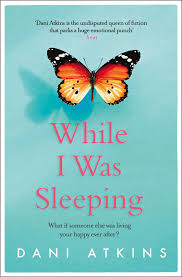
While I Was Sleeping by Dani Atkins

Written by , Posted in Reviews

Four Stars

Best for: Those who enjoy Liane Moriarty’s work; those who like stories told from multiple perspectives and that jump back and forth in time.

In a nutshell: Maggie is 14 weeks pregnant and getting married in four days. She is hit by a car and falls into a coma. When she wakes up, she thinks she’s been out for seven weeks. It’s been … a bit longer.

Worth quoting:
“ ‘Aren’t you fed up with books after working here all day?’ Her question was so alien she might as well have asked if I was fed up with breathing. I lived for books.

Why I chose it:
I think the name caught my eye (I am a big fan of “While You Were Sleeping”), and then once I read the first few pages, I was like “yup.”

Review:
I don’t know about you, but when I fly, I bring a bunch of books but often get so antsy that I end up watching a movie. Not this time. I started reading this book on a flight to Iceland last week, and ended up finishing it up a couple of days later, despite the fact that it is 560 pages long. It was just that compelling. As I said above, if you like the Liane Moriarty-style books, I think you’ll like this (though it doesn’t have any murdery bits). My review requires revealing some things that you’ll find out in the first quarter of the book, but because I loved discovering them, I’ll leave them to the bigger review below.

*Minor Spoilers Below*

Maggie has been in a coma for six years. SIX YEARS. Yikes. Her fiance is married to someone else, and he has a kid.

Correction: THEY have a kid.

I KNOW.

The story follows how Maggie, Chloe (the new wife) and … the husband, whose name I’ve forgotten (I left the book at my hotel in Iceland so others could enjoy it). The entire first bit is from Maggie’s perspective. So you really get to be on her side. You understand how her fiance (I want to say … Rick? Richard?) would eventually move on, but still, you also know that for her, she is not at all removed from the days when she was about to marry the love of her life.

But then, we get things from Chloe’s perspective. We learn how she came into Maggie and … Ryan’s? … lives, and eventually fell in love with Maggie’s fiance. And it becomes harder to root for or against anyone. Everyone is sympathetic, everyone is doing their best.

I enjoyed this one a lot, and will be seeking out more by Ms. Atkins.


Saturday

28

July 2018

0

COMMENTS

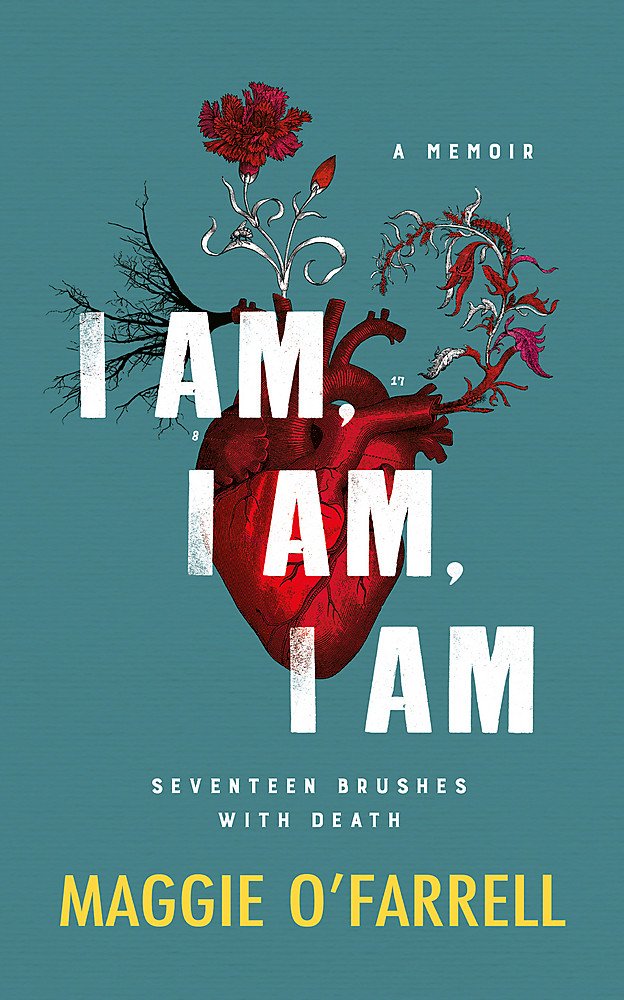
I Am I Am I Am by Maggie O’Farrell

Written by , Posted in Reviews

Four Stars

Best for: Those who enjoy literary non-fiction and are not deterred by fairly grim subject matters.

In a nutshell: Author Maggie O’Farrell examines, with lovely prose, moments in her life that could have led to her imminent death.

Worth quoting:
“Crossing time zones in this way can bring upon you an unsettling, distorted clarity. Is it the altitude, the unaccustomed inactivity, the physical confinement, the lack of sleep, or a collision of all four?”
“To be so unheard, so disregarded, so disbelieved: I was unprepared for this. I also felt helpless, blocked in.”
“When you are a child, no one tells you that you’re going to die. You have to work it out for yourself.”

Why I chose it:
I was in a bookshop connected to a museum that focuses on health, and they were having a “Three for the price of two” sale. This one looked like an interesting third book.

Review:
I find books about health, illness, and death fascinating. Part of it is I’m sure, because of what I do for a living (even though I’ve moved, I’m still doing contract work related to mass fatality incidents), although I’d wager that perhaps that’s more of a correlation; the same thing in me that finds it interesting to think about how to handle a mass shooting is probably the same thing that makes me seek out books like this.

Although, to be fair to the author, I’m not sure I’ve ever read a book quite like this one. Ms. O’Farrell is an amazing writer; she’s able to write in a way that walks right up to flowery without ever getting there. She chooses words that at times might be slightly more obscure than necessary, but not so often that it feels affected: it’s just how she writes, and it’s lovely to behold.

It’s also a great juxtaposition to such potentially dark subject matter: nearly dying.

Don’t be confused: this isn’t a book about seeing the light, floating above one’s body during surgery, or anything so mystical. Instead it’s the story of a woman who, at age eight, has encephalitis and nearly dies. After that, she has many other near-death experiences, and only a couple are related to the lasting affects of that illness.

She starts with an essay about the time she managed to avoid being murdered. But not all essays are as dramatic or dire – one involves a flight that goes awry but ultimately is fine (there are likely thousands of people who have had similar experiences), another, a juvenile mistake that any of us could see ourselves making. In fact, save for a couple of instances, I think some of the power in this collection of essays is how mundane some of her brushes with death are. Any of us may have experienced one or two of them; but seventeen? Holy shit.

The last two essays are the longest and most dramatic. The sixteenth brush with death is the story of O’Farrell’s childhood illness; the seventeenth is of her daughters severe chronic illness. See the perspective of an ill child from the child herself, and then as a mother witnessing it in her own child is extraordinarily powerful.


Thursday

26

July 2018

0

COMMENTS

Iceland by Andrew Evans

Written by , Posted in Reviews

Four Stars

Best for: Those traveling to Iceland who want some more history beyond a couple pages in the back of the book.

In a nutshell: Author Andrew Evans provides a (more than usual) in-depth history of Iceland before sharing standard guide-book fare.

Worth quoting:
“Iceland is the most literate country in the world and one out of every ten Icelanders will write a book in their lifetime.”
“Also, don’t bring a pair of shorts just in case it gets warm. It won’t.”

Why I chose it:
I’m heading to Iceland for a long weekend next month.

Review:
As I write this it is currently 94 degrees outside. In London. A place roundly mocked for being rainy and mild year round.

Ninety. Four. Degrees.

What I’m saying is, I CANNOT WAIT to get to Iceland, where it’s going to be in the low 50s. It’s possible I will be cold again soon.

Anyway, I bought this book awhile ago and then realized the trip was coming up quickly. I am not familiar with Bradt guides, so I figured I’d try it out on a low-stakes weekend away to see if it’s worth seeking out for longer trips in the future.

It definitely is.

I think I’ve said before that I appreciate guides that provide more than just the tourist info. And I don’t mean that I need hidden gems or whatever; I mean I want to know something about the place I’m going. And this guide delivers. The first four chapters – nearly a quarter of the book – focuses on the background, history, natural history, and practical information one needs when visiting Iceland.

The book then breaks the country down into a few regions, focusing on how to get around and then providing details on the towns in the region. The only area that took some getting used to was the “things to do” piece isn’t broken down the way it normally is. Instead of little chunks of info listed out (like the accommodation and restaurant sections), it’s more of a narrative, with the needed details (like opening hours) includes in parenthesis. Not my favorite way to get information, but a little easier to read.


Saturday

21

July 2018

0

COMMENTS

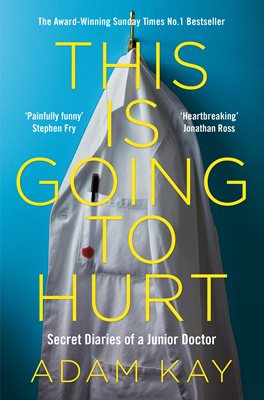
This is Going to Hurt by Adam Kay

Written by , Posted in Reviews

Four Stars

Best for: Anyone who likes fairly humorous personal memoirs, especially of the healthcare variety. Probably not best for those currently pregnant, unless they want to read a bunch of vignettes about the various things that might go wrong during labor and delivery (though to be fair, only one such vignette ends poorly, and that’s near the end of the book).

In a nutshell: Former junior doctor Adam Kay unearthed his diaries from the few years he was a doctor working in the NHS.

Worth quoting:
“It’s a surreal feeling being this tired — almost like being in a computer game. You’re there but you’re not there. I suspect my reaction times are currently the same as when I’m about three pints deep. And yet if I turned up at work pissed they’d probably be unimpressed — it’s clearly important my senses are only dulled through exhaustion.”
“ ‘It’s funny — you don’t think of doctors getting ill.’ It’ true, and I think it’s part of something bigger: patients don’t actually think of doctors as being human. It’s why they’re so quick to complain if we make a mistake or if we get cross.”

Why I chose it:
Much like “Eleanor Oliphant is Completely Fine,” there are only so many times I can see a book that looks mildly interesting prominently displayed before I say “FINE. I’LL READ IT. BACK OFF.” Plus, it’s a memoir (check), it’s funny (check), and it involves health (check).

Review:
Adam Kay used to be a doctor. Now he’s a TV writer (UK shows primarily, as far as I can tell) and a talented author, given his debut. This book followed Kay from his first post-medical-school posting through to the day he decides to leave his career. The “Heartbreaking” pull quote on the front cover seems mostly to refer to the incident that leads Kay to quit; the rest of the book is frankly pretty hilarious.

For those not living in the UK, some of the terms can be a bit challenging to get used to, but Kay explains them quickly and easily. As someone who has spent all but a year and a half of her life in the US, I was always confused by the term “junior doctor.” And I think that kept me away from this book for a bit (did I really want to read a bunch of stories about Meredith first year on Grey’s Anatomy? Watching it on TV is one thing, but first years seem to make loads of mistakes, so it seems like it’ll be kind of dark…), but apparently literally everyone except “consultants” are called junior doctors here (UK natives, please correct me if I’m wrong). Consultants are simply the ones who have been around longest and worked their way up the ladder. So a junior doctor could be someone who has been a doctor for many years.

Kay and his editors do a great job of presenting the information. While there are some running themes — namely that free healthcare is amazing and the NHS is fantastic but damn it it needs more support for the providers — and a glimpse or two into Kay’s personal life — his friend Ray, his partner H, and another friend for whom he provides literally life-saving phone calls — the book is split into chapters based on his postings and jobs. It’s chronological, with each section starting with a little overview of things to come, and then a bunch of diary entries that range from a paragraph to a couple pages.

Kay includes footnotes often, which took a few pages to get used to but which I ultimately appreciated greatly. As someone who watches a lot of medical TV (yes, I do still watch Grey’s Anatomy and yes, I still enjoy it), and who has many friends who have given birth, there are terms I’ve heard and kind of understood but didn’t totally get, and many of those are explained here. Kay also has a wicked sense of humor, which caused many a out loud chuckle from me.

The only areas where I took some issue with the writing were his negative comments about Jehovah’s Witnesses (I know, the ‘no blood’ thing must both doctors a great deal, but maybe dial it down a notch) and his seeming annoyance at making accommodations for obese people. Both of those things only came up once, and I didn’t get he sense that they came from places of hate, but they did take me out of the story for a bit.

Wednesday

18

July 2018

0

COMMENTS

Not That Bad by Roxane Gay

Written by , Posted in Feminism, Reviews

Four Stars

Content Note: This book’s subtitle is literally “Dispatches from Rape Culture.”

Best for: Those looking for some reassurance and reminders that yes, it really is that bad.

In a nutshell: Editor Roxane Gay brings together essays from 30 people (mostly women), all of which address some part of rape culture.

Worth quoting:
“The part I wanted them to understand is that these equations can implode, constricting your whole life, until one day you’re sitting in a locked steel box breathing through an airhole with a straw and wondering, Now? Now am I safe?”
“I wonder if, when it finally stops for good, if it will be too late to relax, if the muscle memory of the harassment will keep me tense on the sidewalk forever.”
“Then they will revise backward. They will take every opinion they’ve ever heard from you, every personality train, every action, and recast them in light of what you told them. This will be particularly true of your sexual behavior and your appearance.”

Why I chose it:
Roxane Gay.

Review:
I am a writer. I mean, I don’t get paid to write, but I do write. A lot. And I have this essay, still sitting in the ‘ready to pitch’ folder in Scrivener, simply called “Arm Grab,” about the time a random dude grabbed and squeezed my arm and then ran off, and what multiple encounters like that do a person over time. And before reading this book, I probably would have left it in the folder forever because it is just one in a long line of small incidents that I would have described as “not that bad.”

This is a book that can be hard to read. It isn’t 30 essays about rape, though — it’s 30 essays about the various ways that rape culture affects women and men. About street harassment, and child abuse, and date rape. Individual stories that are connected by the ways we don’t believe women, or treat them as broken, or at fault, or as liars. The ways we’re taught to be grateful that our experiences don’t matter, don’t affect the ways we navigate this world.

The essay that resonated the most with me was “Getting Home,” where author Nicole Boyce talks about how an experience led to her not feeling comfortable walking alone after dark. Like ever. And so much of what she wrote lives in my head. The fear of the sound behind me when I leave the tube station. The keys sticking out through our fingers. My confusion and then sadness when my husband and I go for a walk late in the evening and I don’t want to walk through the park because I wouldn’t do it alone, and I remember that he navigates the world without really having to make those calculations.

I’d recommend this to everyone who feels that they’re in a place where they could read it. It’s not light reading, but it wasn’t nearly as challenging a read as I thought it would be.